

Medication • Funding the course

Can insurance help with your pet’s medicine bills?

Start with whether the medicine is already needed, then account for the associated care. A premium is not a substitute for a treatment budget.

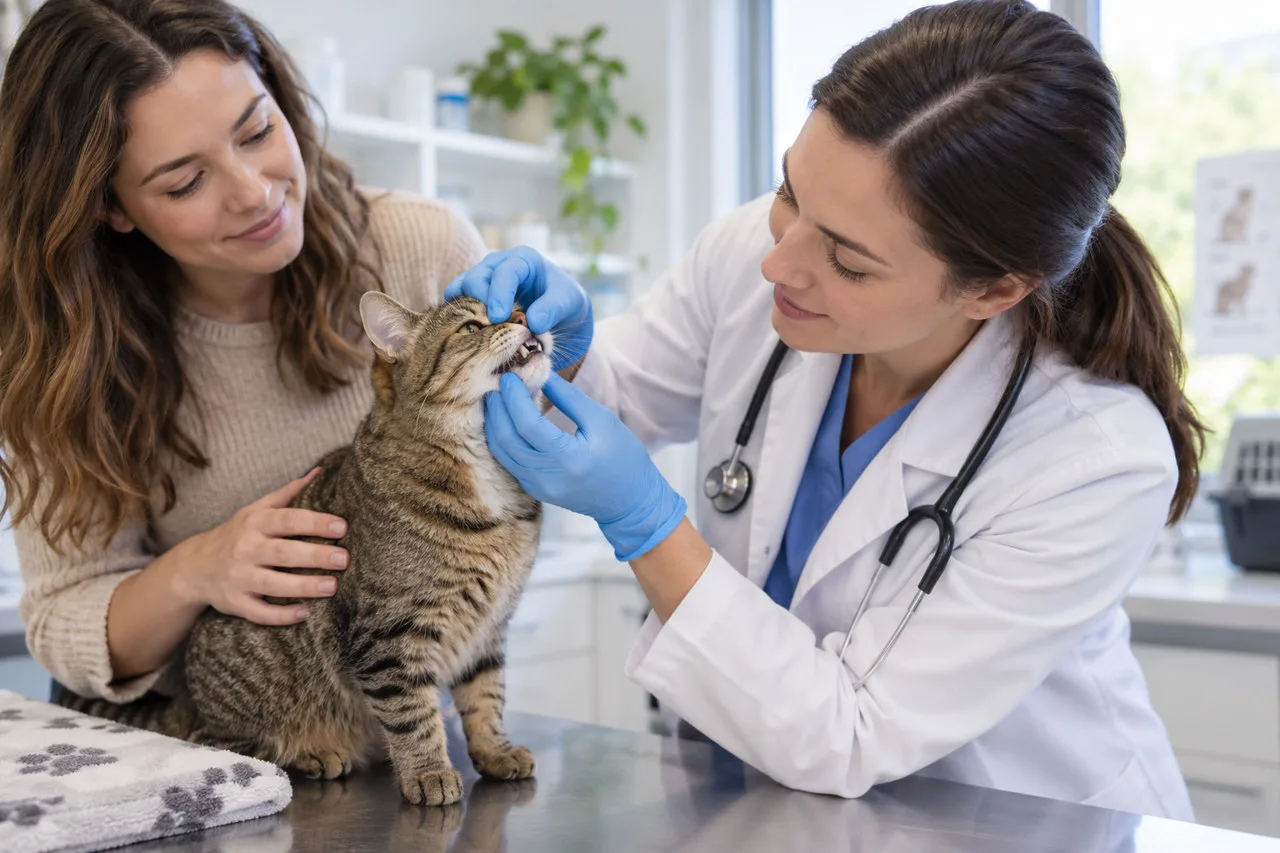
Veterinarian examining a tabby cat while its owner supports it
✓ Policy-first ✓ Independent ✓ Useful checks
Direct answer
Pet insurance may help pay for medication prescribed for an eligible covered condition, but buying a policy after the condition already exists usually does not fund that ongoing treatment. If your pet is already insured, check the current medicine benefit before replacing it. If you are buying new cover, evaluate future protection separately from the medicines your pet needs now.
What to know

If the prescription already exists, start here

First locate any insurance already in force when the relevant signs began. Read that policy and its claim instructions before assuming you need a new insurer. A new brand can offer an attractive premium while treating the condition as pre-existing, even if the current contract has been paying related care.

If there is no current policy, ask the veterinarian about the treatment plan and the expected follow-up costs now. An insurance search can proceed for other future risks, but do not use an unconfirmed future reimbursement to decide whether the next dose is affordable.

Request a condition-specific answer from a prospective insurer: would this existing illness and its medication be excluded, potentially eligible under a stated exception later, or still unresolved pending records? Record the answer as given. “The pet can enroll” is not the same as “the current prescription is payable.”

Cost & value

Budget the course of care, not just the box

Veterinarian speaking with an owner beside a tabby cat
Ask which follow-up visits and tests belong in the treatment budget.

The FDA advises owners to ask their veterinarian about the medicine, adverse effects and rechecks. Some long-term treatment needs periodic monitoring. Those associated visits and tests can have their own insurance treatment; a pharmacy price alone may understate the care budget.

Budget line Get the amount from Insurance question
Medicine already prescribed Clinic or legitimate dispensing pharmacy. Is the underlying condition eligible under the relevant policy?
Required recheck or monitoring test Treating veterinarian’s care plan and estimate. Is this diagnostic follow-up covered, and is the visit fee separate?
A possible change in treatment Veterinarian when a change is clinically appropriate. Does the new treatment remain under the same eligible condition and benefit?
Optional delivery or dispensing charge The actual seller’s invoice. Is that charge included in eligible expense or retained by you?

Do not add a hypothetical test or substitute a cheaper medicine on your own. The worksheet should reflect the veterinarian’s plan, with uncertainty clearly marked where a future decision has not been made.

Claims

Keep confirmed spending and possible reimbursement apart

Make one column for cash due and another for reimbursement supported by the current policy and claim facts. Put unresolved amounts in neither the guaranteed-income column nor a fabricated “probably covered” estimate. If the insurer is still reviewing the condition, the full expense remains a cash-planning question.

This matters even when the medicine itself is eligible. A deductible, reimbursement percentage or remaining limit can reduce payment. Request the actual calculation for the applicable policy period, rather than assuming that the last payment is a permanent rebate on every future purchase.

For an excluded condition, a new premium is an additional expense, not a replacement for the existing medicine line. You may still choose that policy for unrelated future risks. Make that separate reason explicit so the purchase can be evaluated honestly.

Decision guide

A practical buy, keep or investigate decision

Already receiving a useful benefit

Compare renewal terms first. Ask what a replacement would do to this treatment before giving up continuity.

No benefit for the current medicine

Investigate future eligible risk protection while making a separate plan for ongoing care.

If a proposed product includes a medicine option, make sure it is actually selected. Pets Best’s current material, for example, describes prescription coverage as an optional BestBenefit benefit. Do not compare an unselected medical offer against another offer that includes the protection you need.

You also need to know whether the insurer considers the treatment purpose eligible. The same medicine can be used for different reasons. A drug name on a list is not enough to establish what the contract will pay for your animal’s condition.

Cost & value

If price is the immediate problem, keep the vet involved

Ask the veterinarian whether there are clinically appropriate alternatives or legitimate purchasing options. The FDA cautions against online sellers that dispense prescription veterinary medicines without a valid prescription and advises checking pharmacy licensing. A surprisingly low price is not proof of an equivalent, safe product.

Do not stop, ration or change prescribed medicine because of an insurance delay. Tell the veterinarian if cost is preventing the planned treatment so the clinical options can be discussed. Keep insurance reconsideration and pharmacy billing questions moving alongside that conversation.

The result should be two clear decisions: how the current treatment will be funded and what future risk, if any, a policy should cover. Insurance can be useful without solving both at once.

Evidence

Sources and policy context

These public references support the consumer or veterinary context. Named insurer details were checked in official product materials; the policy offered for your pet and state determines the actual terms.

Next step

Compare Current Pet Insurance Rates

Check current options for your pet and location, then compare the policy details, exclusions, costs, and eligibility before choosing.

Compare the policy before you choose Check the actual offer, exclusions and out-of-pocket terms.
See Rate Options